
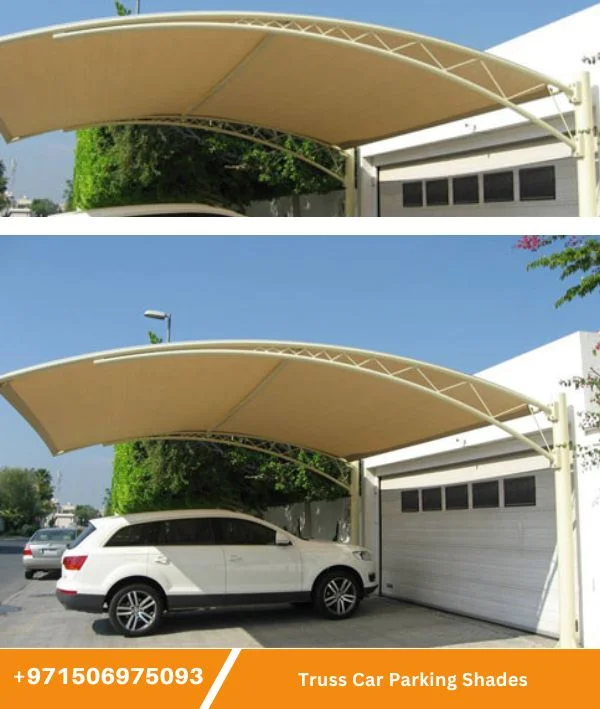
Even quality materials can underperform if car parking shade installation Dubai work is rushed or done without proper attention to detail. This guide covers the most common mistakes seen in the field, and what a careful installer does differently.
Mistake 1: Rushing Foundation Curing
Concrete footings need proper curing time before the frame goes up, typically several days depending on conditions. Erecting the frame too early risks the foundation shifting under load before it has reached full strength, which can cause the entire structure to lean or settle unevenly within the first year.
Mistake 2: Skipping a Site-Specific Wind Load Calculation
Applying a generic wind load rating rather than calculating one specific to the site’s exposure, height, and surrounding structures leaves a shade under-engineered for its actual conditions. A rooftop or coastal installation needs a different calculation than a sheltered ground-level driveway, and treating them the same is a common shortcut that shows up during the first serious storm.
Mistake 3: Under or Over-Tensioning Fabric
Fabric tensioned too loosely sags and flaps in wind, accelerating wear at the attachment points. Fabric tensioned too tightly stresses seams beyond their design tolerance, which can cause premature seam failure. Getting tension right requires following the manufacturer’s specification precisely rather than eyeballing a ‘tight enough’ feel.
Mistake 4: Ignoring Underground Utilities
Digging foundation holes without first checking for underground irrigation lines, electrical cables, or plumbing can cause expensive damage and project delays. A proper site survey identifies these before excavation begins, avoiding a costly mid-installation surprise.
Mistake 5: Poor Drainage Planning on Waterproof Shades
Installing a waterproof membrane without adequate roof slope defeats much of its purpose, since water still pools rather than draining away cleanly. Drainage needs to be designed alongside the structure from the start, not treated as an afterthought once the frame is already up.
Mistake 6: Leaving the Site Uncleaned
A rushed handover that leaves excavation spoil, packaging, or offcuts behind is a sign of a crew focused on finishing quickly rather than finishing properly. Site cleanup should be considered a standard part of the job, not an optional extra requested separately.
How to Choose an Installer Who Avoids These Mistakes
- Ask specifically how foundation curing time is factored into the schedule
- Request the wind load calculation for your site in writing
- Confirm fabric tensioning follows manufacturer specification, not visual judgement alone
- Ask how underground utilities are checked before excavation begins
Frequently Asked Questions
How can I tell if my foundation was rushed after the fact?
Signs include visible cracking around the base, a post that feels slightly loose when pushed, or noticeable leaning compared to when it was first installed. Any of these warrant a professional inspection.
Is it too late to fix poor fabric tensioning after installation?
No, tension can usually be adjusted after the fact without replacing the fabric, provided the material itself has not already been damaged by prolonged incorrect tension.
What should a handover document include?
A proper handover should include the wind load rating in writing, warranty terms for both frame and fabric, and confirmation that the site has been cleared of construction debris.
Avoiding these common mistakes comes down to choosing an installer who treats each step as deliberate rather than routine. See our complete guide to car parking shade installation Dubai homeowners and businesses can trust for a full breakdown of a proper installation process.
Learning From Post-Installation Failures
Reviewing documented cases of shade structures that failed prematurely almost always traces back to one or more of the mistakes covered above, rather than a genuine material defect. This pattern is worth remembering when evaluating a proposal: the materials specified matter, but the process followed during installation matters just as much, if not more, to long-term performance.
The Role of a Detailed Written Contract
A contract that explicitly states foundation curing time, wind load rating, and fabric tensioning specification gives you clear grounds to raise a concern if the finished work does not match what was agreed. Vague contracts that simply describe ‘a car parking shade’ without these specifics leave far more room for shortcuts to go unnoticed until a problem develops.
Frequently Asked Questions
Should I be present during the entire installation?
While not strictly necessary, being present for key stages like foundation pouring and final fabric tensioning lets you ask questions in real time and gives you direct visibility into the process quality.
What is a reasonable timeline for a standard villa installation?
One to three days is typical for a single or double bay residential shade, including foundation curing time, though this can extend if weather or site conditions require adjustment.
Can installation mistakes be identified after the fact through a professional inspection?
Yes, an experienced inspector can often identify signs of rushed foundation work, incorrect tensioning, or inadequate wind load engineering even after the fact, which is useful if you suspect an existing structure was not installed correctly.
A careful, well-documented installation process protects your investment far more effectively than choosing based on price or speed of completion alone.
Building Confidence in Your Installer’s Process
Asking direct questions about foundation curing, wind load calculations, and fabric tensioning before work begins is not being difficult, it is the same due diligence any experienced project manager would apply to construction work of this kind. An installer confident in their process will welcome these questions rather than treating them as an inconvenience.
Applying These Lessons to Your Own Project
Whether you are planning a single villa shade or overseeing a larger commercial installation, the mistakes covered in this guide apply at every scale. Taking the time to discuss each one specifically with your chosen installer before work begins, rather than assuming standard best practice will simply be followed, is the most reliable way to ensure your particular project avoids them entirely.
The Value of a Detailed Pre-Installation Meeting
A brief meeting before work begins, walking through the site plan, confirming foundation approach, and reviewing the wind load calculation together, catches most potential issues before they become expensive mistakes discovered mid-installation. This meeting costs nothing but a bit of time, yet consistently prevents the kinds of problems covered throughout this guide.
A Final Word on Installation Quality
The difference between a shade that performs reliably for two decades and one that develops problems within a few years almost never comes down to the materials alone, it comes down to whether the installation followed proper process at every single stage from foundation to final fabric tensioning.
Every mistake covered in this guide has a straightforward fix: ask the right question, confirm the right specification, and insist on the process being followed properly rather than rushed.
One More Consideration: Weather Monitoring During Installation
Experienced installers actively monitor forecasts during a multi-day installation, adjusting the sequence of work, such as pouring foundations earlier in a dry window rather than risking rain during the critical curing period, to protect quality rather than simply following a rigid pre-set schedule regardless of conditions. This kind of adaptive planning is a genuine mark of installation experience worth asking about directly.
Taking installation quality as seriously as material quality, and holding your chosen installer to the standards outlined throughout this guide, is the clearest path to a structure that performs exactly as intended for its full expected lifespan.
Every step covered here is well within reach for any serious installer, which is exactly why it is fair to expect them of whoever you choose for your project.