Ask five suppliers for a quote on car parking shades Dubai property owners need and you will often receive five very different numbers. That gap rarely means someone is overcharging. It usually means each supplier is pricing a different structure, a different material, or a different level of engineering, without saying so clearly. Understanding what actually drives the price lets you compare quotes fairly and spot the ones that quietly cut corners. This guide breaks down every major cost factor, in plain language, so you can walk into your next conversation with a supplier already knowing which questions matter most.
Structure Type and Span
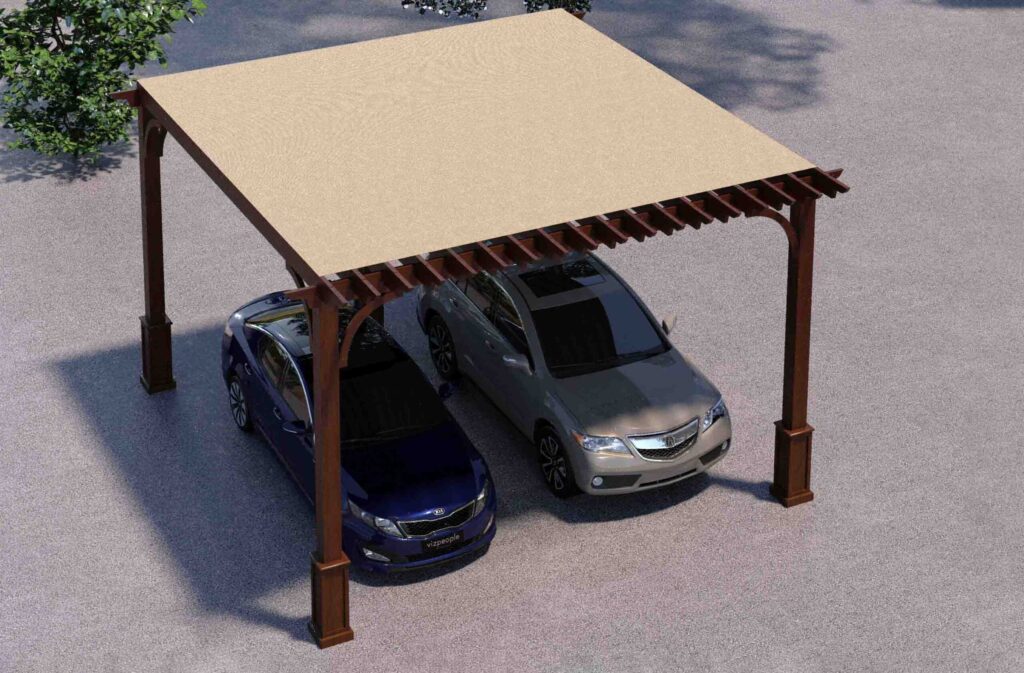
The single biggest driver of cost is the type of structure and how far it has to span. A single-bay cantilever shade uses posts on one side only, which keeps steel quantities low and installation simple. A double box cantilever needs posts on both sides and a heavier roof frame, so it costs noticeably more per vehicle covered. Pyramid and umbrella designs use a single central mast and a more complex roof geometry, which adds fabrication time even when the covered area is small. Multi-bay commercial canopies spread their cost across many vehicles, so the price per bay usually falls as the structure grows, but the total outlay climbs and engineering requirements tighten. When you compare quotes, always confirm that each one covers the same number of bays, the same span, and the same overall height, because small differences in these dimensions change the steel weight and therefore the price.
Steel Gauge, Galvanizing and Coatings
Two frames that look identical on a drawing can differ enormously in what they are made of. Heavier steel sections cost more but resist wind loading and fatigue far better, while thinner sections save money upfront and show their weakness during the first serious storm. Hot-dip galvanizing is the process that protects steel from Dubai’s humid coastal air, and its thickness matters as much as whether it is applied at all. A powder-coated finish on top adds colour and an extra barrier against corrosion. Suppliers who skip galvanizing and rely on paint alone can quote noticeably lower prices, but the frame may begin rusting within a few summers. Ask every supplier to state the steel section sizes and the galvanizing standard in writing, and treat vague answers as a warning sign rather than a bargain.
Fabric Choice and Waterproofing
Standard HDPE shade fabric is the most economical option and blocks the large majority of ultraviolet radiation while letting hot air escape through the weave. PVC-coated polyester and PTFE membranes cost more because they are fully waterproof and need heat-welded seams and a carefully engineered roof slope for drainage. Fabric weight, UV stabiliser content and colour all influence the final figure as well. Choosing waterproof material typically adds somewhere between fifteen and twenty-five percent to a comparable standard structure, a premium that many owners recover through avoided water damage and cleaning. The right choice depends on your site: a driveway that floods in winter justifies PVC, while a sheltered, well-drained bay may be perfectly served by HDPE.
Foundations and Site Conditions
Foundations are the hidden half of any shade project. Concrete footings must be sized for the wind load and the soil beneath them, and sandy, rocky or reclaimed ground can each change the amount of excavation and concrete required. Underground utilities, existing paving that must be cut and reinstated, and awkward access for machinery all add labour. This is why a quote prepared from photographs alone is rarely accurate. A proper site survey, which most reputable suppliers offer free of charge, identifies these factors before a fixed price is set, and protects you from variation claims once work has already begun.
Permits, Engineering and Warranty
Commercial installations normally require a municipality permit supported by structural drawings and calculations, and the cost of preparing and submitting them is usually built into the project price. Residential villa projects typically follow community guidelines instead, but still benefit from engineering that matches the real wind load of the site. Warranty terms also carry a cost. A supplier offering a long structural warranty and a separate fabric warranty is pricing in the confidence to honour them, whereas a very cheap quote with no written warranty may simply be pushing future risk onto you.
Typical Price Ranges to Expect
- Single-bay cantilever shade: roughly AED 3,000 to AED 8,000 installed
- Double-bay box cantilever: roughly AED 6,000 to AED 16,000 installed
- Pyramid or umbrella shade: roughly AED 8,000 to AED 25,000 depending on size
- Commercial multi-bay canopy: from about AED 25,000 and rising with span and fabric grade
These ranges are guides rather than fixed prices, and a fixed quotation should always follow a site visit. A figure far below the range deserves a closer look at steel, galvanizing and warranty before you commit.
How to Compare Quotes Fairly
Lay quotes side by side and compare like for like: bay count, steel section sizes, galvanizing and coating, fabric type and weight, wind load rating, permit responsibility, warranty length and whether the price is fixed. The cheapest line total is rarely the best value once these points are checked. Ask each supplier to explain any difference you find. A supplier who answers clearly and specifically is usually one who has done the engineering properly.
Common Cost Mistakes to Avoid
The most expensive mistake is choosing on price alone and discovering later that the structure was under-engineered. A frame with thin steel and a weak foundation may cost a third less, yet flex in wind, loosen at its connections and need rebuilding long before a properly specified structure shows any wear. The second mistake is ordering in stages without a plan: three separate single-bay shades commissioned months apart usually cost more, and look less consistent, than one coordinated project. The third is ignoring running costs. A fabric that must be replaced every six years because it was the cheapest grade can cost more over a decade than a better one that lasts twelve. Finally, many owners forget to budget for permits or community approval fees, which can surprise a tight budget. Treat the quotation as the start of a conversation, ask what is included and excluded, and keep a small contingency for site conditions that only appear once excavation begins.
A realistic budget also considers what the shade protects. A car repaint, a replaced dashboard or a faded interior can cost thousands, which puts even a mid-range shade in perspective as a protective investment rather than a pure expense.
With these points in mind, you can request quotes with confidence, knowing which details deserve the closest attention and which questions will expose the differences between suppliers quickly.
Frequently Asked Questions
Why do two quotes for the same size differ so much?
Usually because of steel gauge, galvanizing quality, fabric grade or warranty terms, none of which are visible from the headline price.
Is a free site survey really free?
Most established suppliers include it as part of the quotation process, since it is the only way to give a reliable fixed price.
Can I reduce cost without reducing quality?
Yes, by simplifying the structure type, choosing standard colours and sizes, and combining several bays into one project rather than ordering them separately.
Price should always be read alongside specification, so use the factors above to compare like with like. For a complete overview of structure types, materials and current pricing, see our full guide to car parking shades Dubai owners are choosing today.