
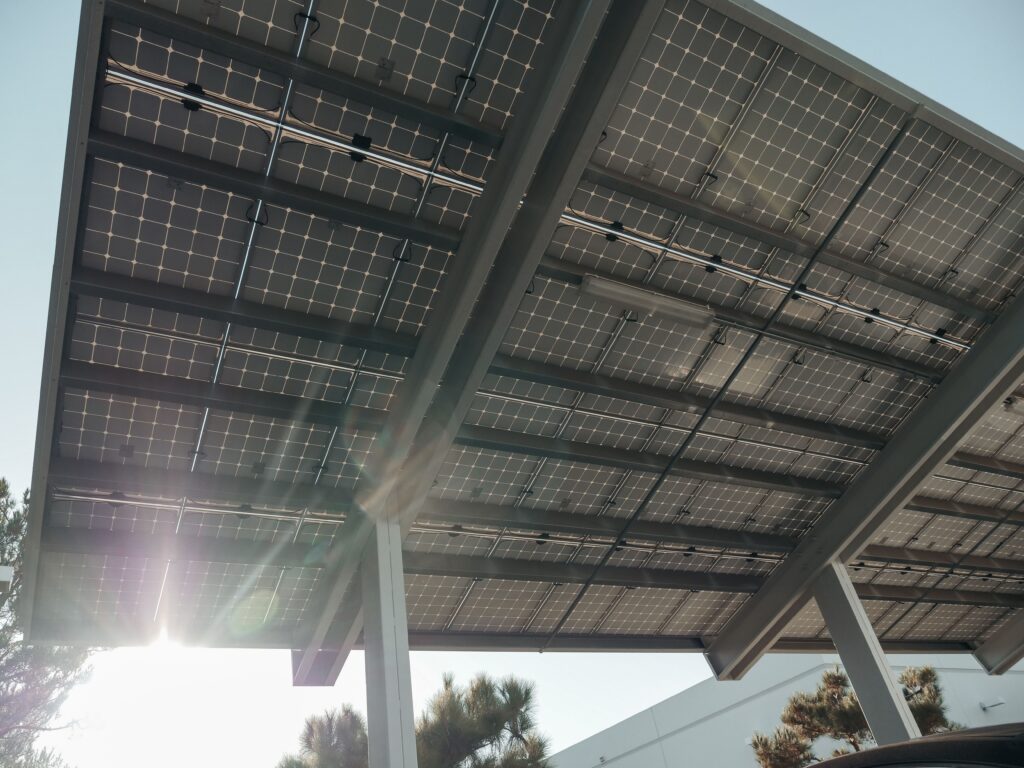
Two materials dominate the car parking shade market in the UAE: HDPE and PVC. Both block sun effectively, but they behave very differently in rain, dust, and long-term UV exposure. If you are weighing PVC car parking shades Dubai options against standard HDPE, here is what actually separates them.
Waterproofing Is the Biggest Difference
HDPE is a breathable woven fabric, so while it blocks the vast majority of solar radiation, it is only water-resistant, not waterproof. PVC is a fully coated, non-porous membrane, which makes it genuinely waterproof when seams are properly heat-welded.
Lifespan and UV Resistance
Quality HDPE typically lasts eight to twelve years under Dubai sun before it needs replacing. PVC, with its coating and UV stabilisers, tends to last a little longer, often ten to fifteen years, though both depend heavily on installation quality.
Which One Should You Choose
If your priority is sun protection at the lowest cost, HDPE remains the practical default. If you want a structure that also handles heavy rain without leaking, PVC is the better long-term investment, particularly for driveways or areas where pooling water is a real problem.
For full specifications, a detailed cost comparison, and structure options, see our complete breakdown of PVC car parking shades Dubai homeowners and businesses are increasingly choosing.
Weight and Handling Differences
PVC-coated fabric is noticeably heavier than HDPE, typically weighing between 650 and 900 grams per square metre compared to HDPE’s lighter, more breathable weave. This added weight is part of why PVC structures need slightly more robust framing to support the material without sagging, which is one reason PVC shades often cost more even before factoring in the waterproofing benefit.
Color and Fade Performance
Both materials are available in a wide colour range, but they age differently under constant UAE sun. HDPE’s woven structure tends to fade more evenly over time, while PVC’s coated surface can show more visible wear at fold points and seams if the UV stabiliser package is lower quality. Buying from a supplier who can specify the exact grade of material used protects against early fading either way.
Which Climate Conditions Favor Each
HDPE performs well in most standard residential settings where the priority is UV blocking and airflow beneath the shade, since its breathable weave actually helps keep the space beneath slightly cooler. PVC is the better choice wherever water pooling, dust storms, or complete rain protection matter more than airflow, such as covered walkways, commercial entrances, or driveways prone to flooding during storms.
Installation Considerations for Each Material
HDPE’s lighter weight makes it marginally faster to fit and tension during installation. PVC requires more careful attention to seam welding and drainage slope, since any shortcut in this stage undermines the entire waterproofing benefit the material is chosen for in the first place. A good installer treats these as genuinely different installation processes rather than swapping one fabric for another on the same generic frame design.
Frequently Asked Questions
Can I mix PVC and HDPE on the same property?
Yes, some owners use PVC over a driveway or entrance where waterproofing matters most, and HDPE elsewhere for standard sun protection at a lower cost.
Does PVC block UV rays as well as HDPE?
Both materials block the large majority of harmful UV radiation. The core difference is waterproofing, not sun protection, which is comparable between quality versions of either material.
Is PVC harder to clean than HDPE?
PVC is actually easier to clean in most cases, since dust sits on top of the smooth coated surface rather than settling into a woven texture the way it does with HDPE.
For a full technical comparison, material specifications, and current pricing between the two options, see our complete guide to PVC car parking shades Dubai homeowners and businesses are increasingly choosing.
A Real-World Example
A commercial plaza in Business Bay originally installed standard HDPE shading over its main pedestrian entrance, only to find the fabric let through enough rain during winter storms to create a slip hazard on the marble flooring beneath. Switching to a PVC-coated membrane during the next scheduled fabric replacement solved the problem entirely, at a cost increase the property management deemed well worth avoiding the liability risk of a wet entrance floor.
Thinking About Total Cost of Ownership
A slightly cheaper HDPE structure that needs fabric replacement every eight years works out similarly, or sometimes more expensive, than a PVC structure lasting twelve to fifteen years once replacement labour and disruption are factored in, not just the material cost itself. Framing the decision around total cost over the structure’s life, rather than the upfront quote alone, often changes which option looks like the better value.
Getting Samples Before You Decide
Any reputable supplier should be willing to provide a physical fabric sample of both HDPE and PVC options before you commit. Handling the actual material, checking its weight, flexibility, and coating quality, tells you far more than a product description or a photo ever will, particularly for a decision that will be sitting over your car for the next decade.
Final Thoughts
Neither PVC nor HDPE is universally ‘better’; each suits different priorities. If your main concern is standard sun protection at reasonable cost, HDPE remains a sound choice. If water pooling, dust infiltration, or complete rain protection matter more, the extra cost of PVC is usually money well spent over the structure’s working life.
Long-Term Warranty Considerations
Warranty terms often reveal more about material confidence than marketing claims do. A supplier offering a ten-year warranty on PVC membrane is implicitly telling you they trust the coating quality to last that long without significant fading or seam failure, whereas a shorter warranty on the same material type might signal a lower-grade product being sold under a similar description. Always ask whether the warranty covers just structural failure or extends to visible degradation like fading and coating cracking, since these are the most common real-world complaints with lower-quality fabric regardless of whether it is labelled PVC or HDPE.
Requesting a Written Material Specification
Whichever material you choose, ask for a written specification sheet listing fabric weight, coating type, and UV stabiliser details rather than relying on a verbal description alone. This document becomes useful evidence if a dispute arises later about whether the installed material matches what was originally quoted, and a supplier confident in their product should have no hesitation providing it. Comparing specification sheets side by side, rather than just price, is often the clearest way to see genuine differences between competing quotes.
A Note on Imported Versus Locally Produced Fabric
Some suppliers import pre-coated PVC or HDPE rolls from overseas, while others source raw material and apply coating locally under UAE-specific UV exposure standards. Locally coated fabric, when done by a reputable supplier, is often better calibrated for the region’s specific sun intensity than a generic imported roll designed for a broader, less extreme climate range. Asking where the fabric coating actually happens is a reasonable question that most suppliers should answer without hesitation.
Whichever material you land on, the decision matters less than the quality of workmanship behind it. A well-installed HDPE shade will consistently outperform a poorly installed PVC structure, so treat material choice as one important factor among several, alongside installer reputation, warranty terms, and site-specific engineering, rather than the single deciding factor on its own.