
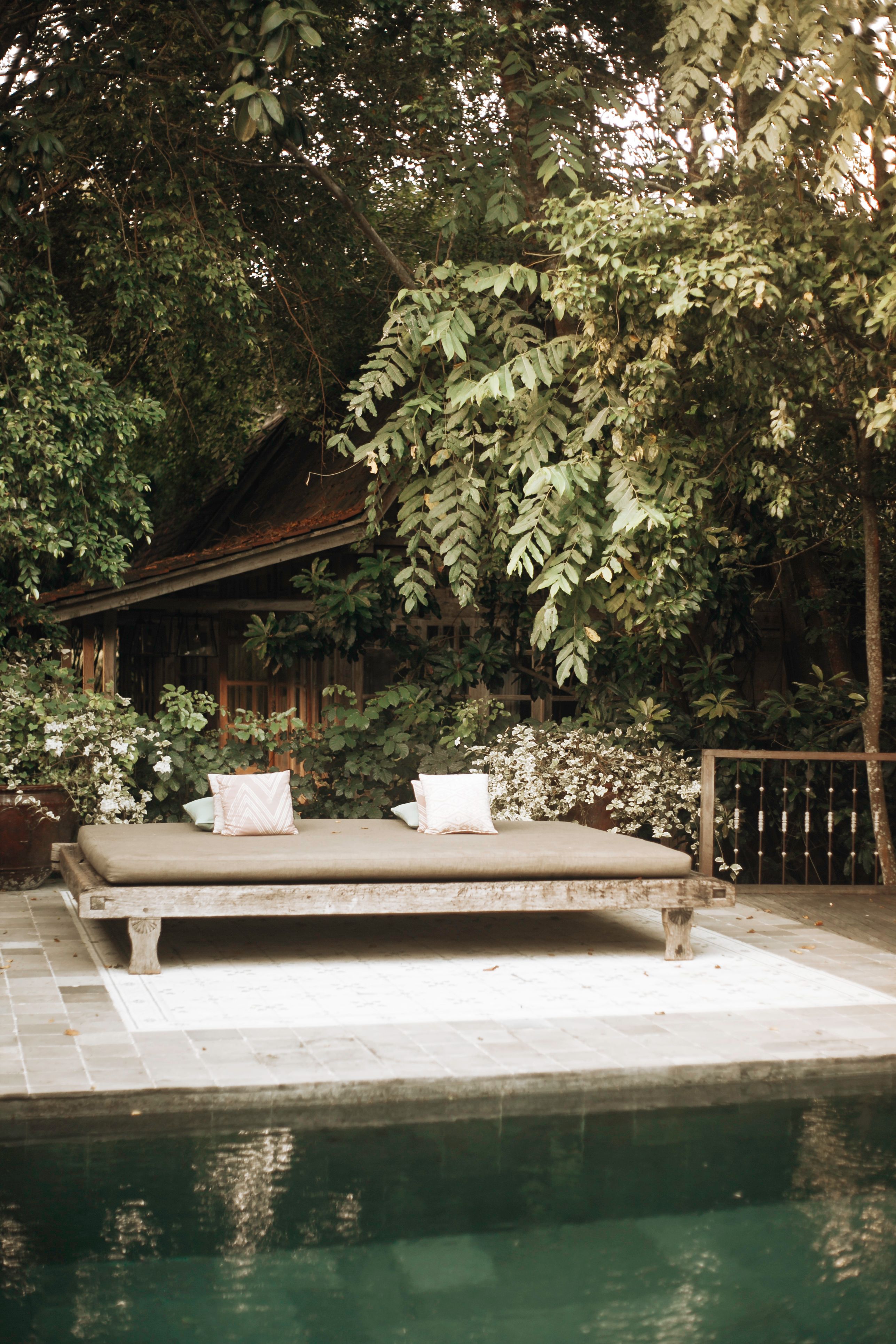
A beautiful pool that is too hot to sit beside for most of the day is a wasted asset. Good shade planning turns the same space into one the whole family uses from morning until evening. If you are considering swimming pool shades UAE homeowners can rely on, the secret is not just choosing a shade type but planning layout, seating and sun angles together. This guide walks through the decisions in the order that makes them easiest, from observing the sun to choosing furniture.
Observe the Sun Before You Design
Spend a day, or at least a few key hours, watching where sun and shadow fall around your pool. Note where the pool is shaded by walls or trees in the morning, where the harshest afternoon sun lands and where the deck becomes uncomfortably hot. The sun is lower in winter and higher in summer, so a position that works in January may not in July. A simple sketch with approximate shadow positions at nine, twelve and four o’clock gives your designer valuable information that no generic plan can provide.
Decide What the Shade Is For
Different goals lead to different layouts. If the priority is a cool seating area, shade the lounge and dining zones. If you want cooler water, you need to cover a meaningful part of the pool surface. If children play in the pool, shading the shallow end and the changing area protects young skin. Being clear about priorities avoids paying for coverage you will not use. Many homeowners find that shading seating first and the water second gives the best value.
Choosing Between Sails, Pergolas and Canopies
Tensile sails suit curved pools and flexible layouts, and can be angled to follow the sun. Louvred pergolas give adjustable shade and a more architectural look over a defined deck. Retractable canopies offer a middle route, extending when you need shade and folding away when you want sun. Consider the pool shape, the surrounding architecture and how often you will want to change the amount of shade when choosing.
Seating, Dining and Circulation
- Place seating where shade falls in the hottest hours, not where it only looks neat
- Keep clear walking routes between the pool, changing areas and the house
- Allow space for sun loungers to be moved around the shade
- Think about where towels, drinks and play equipment will sit
A shaded area that is awkward to use will be ignored, so test the layout with chairs and tables before posts are fixed.
Materials Near Water
Chlorine, salt and humidity are hard on fittings. Choose marine-grade stainless steel or well-protected aluminium for brackets and fixings, and hot-dip galvanized or powder-coated frames. Fabric should be UV-stabilised and resist mould. Foundations near pool surrounds need extra care, so ensure the designer knows where the pool shell, plumbing and electrical lines run.
Safety, Lighting and Privacy
Shade structures can double as privacy screens and lighting supports. Position posts away from the pool edge, avoid trip hazards and use slip-resistant surfaces beneath. Soft lighting beneath the shade extends evening use. Anything electrical near water must be installed to the correct safety standards by qualified electricians.
Landscaping and Cooling the Whole Garden
Planting taller trees, adding climbing plants on pergola posts and using lighter paving can lower temperatures further. Shade works best as part of a broader approach, not as an isolated addition. Coordinate with your landscaper so roots, irrigation and structure do not conflict.
Shade, Water Temperature and Comfort
Water temperature is a real comfort issue in the UAE summer, when an unshaded pool can reach bath-like temperatures and stop being refreshing. Partial shade lowers the daily temperature rise and reduces evaporation, which saves water and chemicals. It also protects pool surrounds, because deck surfaces can become too hot for bare feet in direct sun. A balanced scheme shades part of the water, so swimmers can choose sun or shade, and the seating zone, so adults can supervise comfortably. Test different arrangements with temporary umbrellas before committing to permanent posts.
Working With Your Pool and Landscape Contractors
The best results come from coordination. Share the pool plan, equipment room position and landscape drawings with your shade supplier so foundations avoid pipes, cables and root zones. If you are building a new pool, include shade in the design from the start, since footings can be integrated into the deck structure at lower cost. For existing pools, a survey identifies safe post positions. Agreeing responsibilities in advance, including who reinstates paving and who handles electrical connections, prevents arguments later and keeps the project on schedule.
Maintenance and Seasonal Care Around the Pool
Pool areas are demanding environments for shade. Rinse fabric and fittings with fresh water regularly to remove chlorine and salt deposits, and inspect stainless steel for early tea-staining. Keep drainage clear and check that tension cables remain tight after hot spells, when metal expands and fabric relaxes. In winter, check structures after storms and remove any debris from louvres or sail edges. If your shade has moving parts, service the motors and tracks on a schedule. Simple, regular care keeps the area looking smart and avoids repairs that interrupt the swimming season.
Seasonal care also gives you the chance to review the layout, since furniture and plants change and the shade may benefit from small adjustments.
Making the Pool Area Work Day and Night
A well-shaded pool should also work after sunset. Soft lighting under shade structures, low-level path lights and subtle uplighting for planting create atmosphere without glare. Consider where speakers, outdoor kitchens and heaters will sit, and provide power and drainage in advance. Think about privacy too, since slatted screens or planting beside the shade can block views from neighbours. Easy-to-clean surfaces matter near water, as does storage for cushions and towels so the area stays tidy. When daytime comfort and evening usability are planned together, the pool becomes a true extension of the home rather than a feature used only in cooler hours.
Review the plan with your family, because everyone uses the space differently. Children, guests and elderly relatives each have different needs for shade, seating and safety, and a few minutes of discussion can improve the design considerably.
Once the shade is in place, spend a week noting how the area is really used. Move furniture, adjust cushions and observe where family members gather at different hours. Those observations guide small refinements, such as an extra screen, a plant, or a repositioned lounger, that make the finished pool area feel tailored to your household.
Finally, ask your supplier for a simple care sheet covering cleaning, inspection intervals and who to call, and keep it with your pool paperwork so seasonal checks become routine rather than something you remember only after a problem appears. Clear guidance at handover makes ownership easier and keeps the structure looking and performing well.
Frequently Asked Questions
How much of the pool should be shaded?
Enough to cover seating and part of the water, usually a third to a half for comfort.
Can shade be added to an existing pool?
Yes, once a survey confirms where foundations can go without disturbing the shell or services.
Will shade reduce algae?
It can slow growth by reducing sunlight, though normal pool maintenance is still needed.
Plan around the sun, the way you really use the space and durable materials, and the result will be enjoyed for years. For options, coverage patterns and pricing, see our complete guide to swimming pool shades UAE homeowners are installing.