
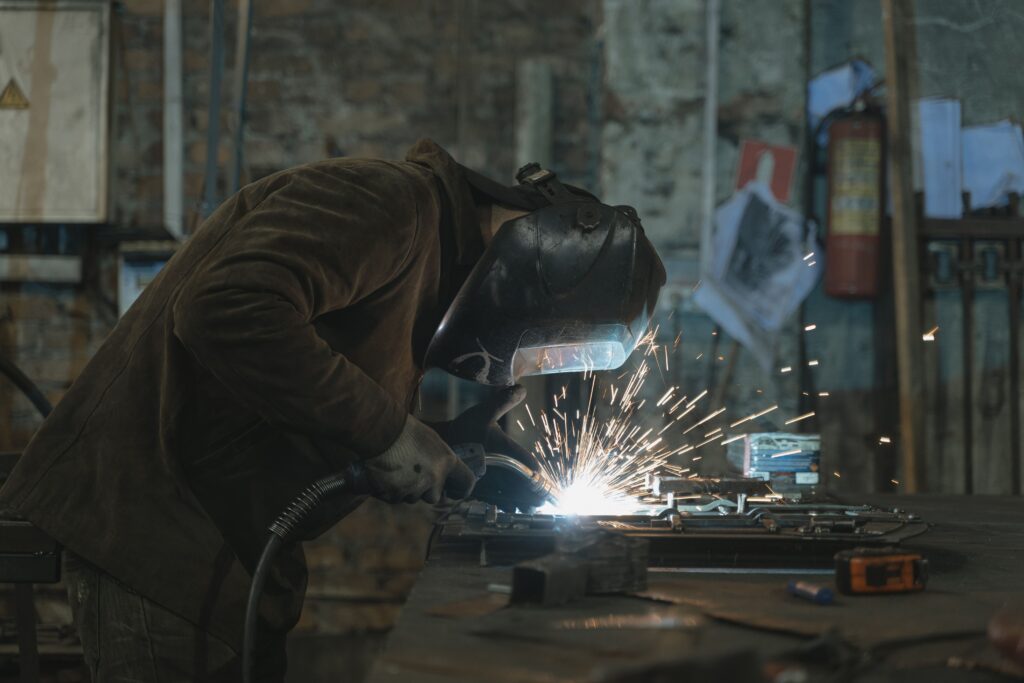
Most people only ever see the finished canopy standing over a driveway, yet the quality of that structure was decided weeks earlier, on a workshop floor. If you are researching car parking shade manufacturers Dubai has to offer, understanding how a structure is actually made helps you recognise a genuine fabricator and ask sharper questions. This guide follows a typical shade from raw steel to finished canopy, explaining what happens at each stage and why it matters for the way the structure performs over fifteen years or more.
Stage One: Design and Structural Engineering
Everything begins with drawings. A manufacturer measures the site, decides how many bays and posts are needed, and calculates the wind and load forces the structure must resist. Dubai’s coastal exposure, gusts during winter storms and the weight of any water collecting on the roof all feed into those calculations. The result is a set of fabrication drawings that specify every steel section, every connection and every footing. Cutting corners here is invisible at first, but shows up later as flexing posts, loosening bolts or sagging fabric. A manufacturer that can show you the calculations behind your structure, not just a drawing, is working properly.
Stage Two: Cutting, Drilling and Welding
Steel arrives as lengths of tube, plate and section. It is cut to size, drilled for bolts and assembled into posts, beams and roof frames. Welding is the heart of this stage, and weld quality decides whether the structure is strong or merely looks strong. Good fabricators use consistent weld sizes, clean joints and visual inspection of every connection. Poor welds hide porosity or incomplete fusion that only fails under load. Because the work happens in a controlled workshop rather than outdoors on site, a manufacturer can achieve cleaner, more repeatable welds than an installer improvising in the field.
Stage Three: Galvanizing and Powder Coating
Once welded, the frame is hot-dip galvanized, which means it is immersed in molten zinc so that every surface, inside and out, is coated. This is what protects the steel from Dubai’s humidity and salt-laden air. A powder-coated finish is then applied for colour and an additional barrier. The order matters: coating before galvanizing hides defects, while galvanizing first protects every weld. Thin or patchy galvanizing is one of the most common reasons cheap structures rust early, so it is worth asking exactly how the zinc coating is applied and checked.
Stage Four: Fabric Cutting and Welding
While the steel frame is being finished, the shade fabric is prepared in parallel. HDPE panels are cut and edged, while PVC and PTFE membranes are cut and heat-welded into a roof tailored to the frame dimensions. Heat welding requires correct temperature, speed and pressure to create a seam as strong as the fabric itself. A manufacturer controlling both frame and fabric ensures the two fit together precisely, rather than forcing a standard panel onto a custom structure.
Stage Five: Quality Checks Before Delivery
- Dimensions verified against the approved drawings
- Weld inspection on every structural joint
- Galvanizing and coating coverage checked for gaps
- Fabric seams tested and panels trial-fitted where practical
- Fixings, bolts and fittings counted and packed for site
Catching a fault in the workshop costs a few hours. Catching it on site, with a crew waiting and a client watching, costs far more, which is why disciplined manufacturers invest in checking before anything leaves the factory.
Why Visiting or Viewing the Workshop Helps
A confident manufacturer is usually happy to show you the workshop or share photographs and video of your own project in progress. Seeing welding stations, galvanized components and cut fabric tells you more about capability than any brochure. If a company is reluctant to show where the work happens, it may be reselling someone else’s product, which affects lead times, warranty support and accountability.
Materials Management and Traceability
Behind every finished canopy sits a chain of materials: steel from a mill, zinc for galvanizing, powder coating, fabric rolls and fixings. Good manufacturers keep records of what went into each project, including steel batches, coating thickness readings and fabric lot numbers. That traceability matters when a question arises years later, because the team can identify exactly what was used and respond accurately instead of guessing. Resellers rarely have this information, as they never see the production process. When comparing suppliers, ask whether they record materials for each order and whether that information is available to you on request.
How In-House Production Helps With Custom Work
Because the factory controls cutting, welding and fabric production, it can adapt to unusual sites. A curved driveway, a sloping plot, an existing wall that restricts post positions or a client who wants a specific colour can all be handled without waiting for an overseas order. Drawings can be revised quickly, new components cut and the change checked on the workshop floor. This flexibility is one of the practical advantages of dealing with a true fabricator. It shortens lead times, reduces errors on site and gives you a single team accountable for the finished result.
Training, Skills and Safety in the Workshop
Equipment alone does not make a good fabricator. Skilled welders, fitters and fabric technicians make the difference, and their training shows in the consistency of the finished work. Reputable workshops follow safety procedures, use properly maintained machinery and keep a clean, organised floor, because order in the workshop usually reflects order in the product. Ask how long key staff have worked with the company and whether welders are tested on the procedures they use. Stable, experienced teams make fewer errors, and they understand why a detail matters, not just how to copy it. That knowledge is hard to see in a brochure, yet it affects every structure that leaves the factory.
Safety also protects clients indirectly. A workshop that respects safe lifting, handling and coating procedures is less likely to damage components, rush a job or hide faults to meet a deadline.
Reading a Factory Visit Like an Expert
If you do visit a workshop, look beyond the machinery. Notice whether finished components are stored carefully or stacked carelessly, whether galvanized steel is protected from scratches, and whether drawings are posted at workstations so fabricators can check dimensions. Ask to see a weld close up and to watch a fabric seam being formed. Observe how staff handle questions, because a team that understands its process will explain it simply. A tidy, organised floor, labelled components and visible quality checks are strong signs of a manufacturer that takes its product seriously and will stand behind it long after installation is finished.
Ask also how the factory handles design changes after approval. A responsive team can update drawings, re-cut parts and recheck dimensions quickly, while a rigid process leaves you stuck with mistakes. This flexibility is worth far more than a slightly lower price, because it protects you when site conditions turn out to differ from the plan.
Frequently Asked Questions
How long does fabrication usually take?
Standard residential shades are often ready within one to two weeks of approval, while larger commercial orders depend on size and quantity.
Can a manufacturer build non-standard sizes?
Yes, in-house fabrication allows custom spans, heights and shapes that catalogue products cannot match.
Who handles warranty repairs?
With a genuine manufacturer, the same team that built the structure repairs it, which is usually faster than relying on a reseller.
Knowing how a shade is made turns a vague sales conversation into an informed one. To see how in-house fabrication translates into pricing and support, read our guide to car parking shade manufacturers Dubai buyers can deal with directly.